


Design Philosophy
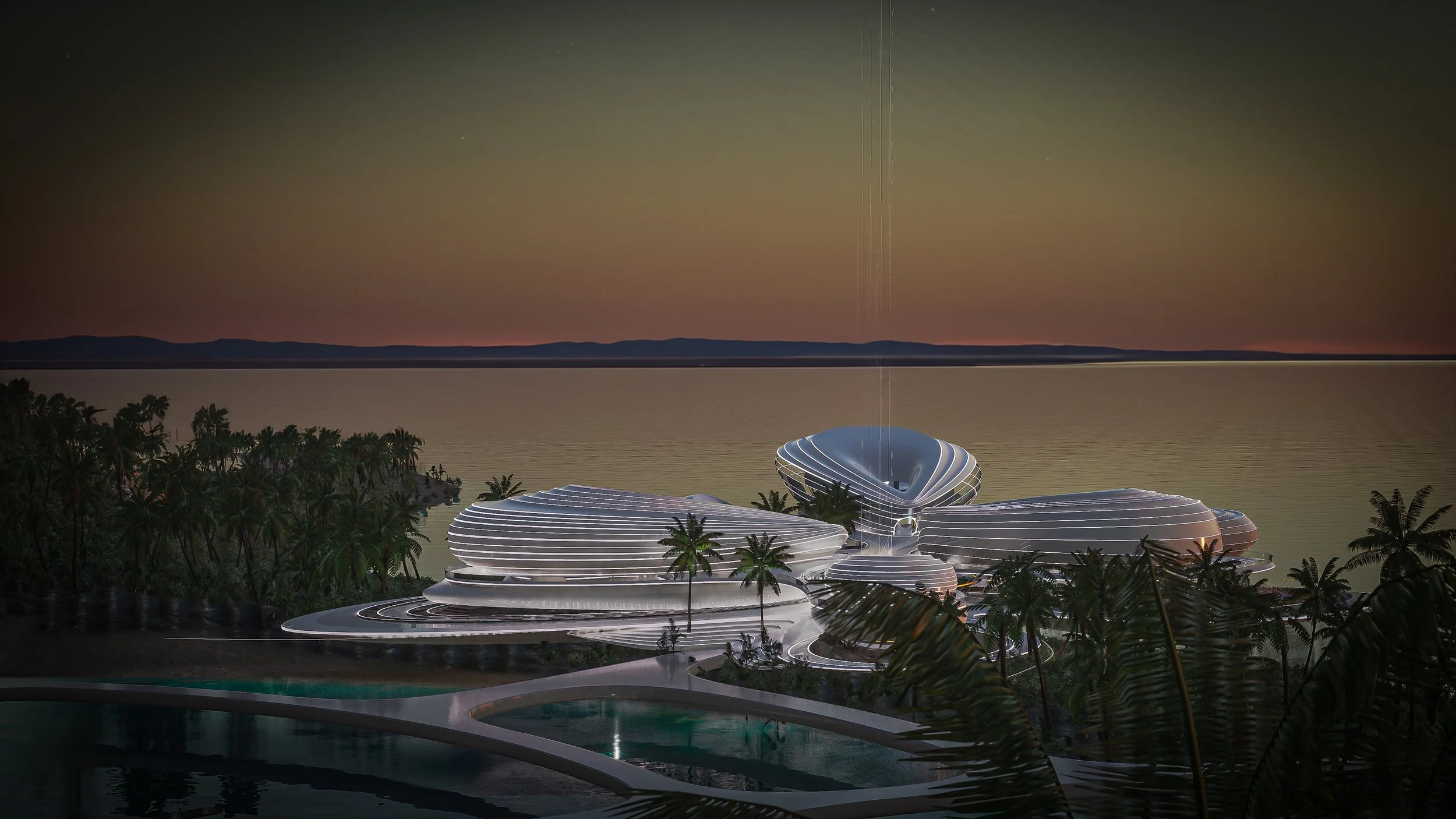
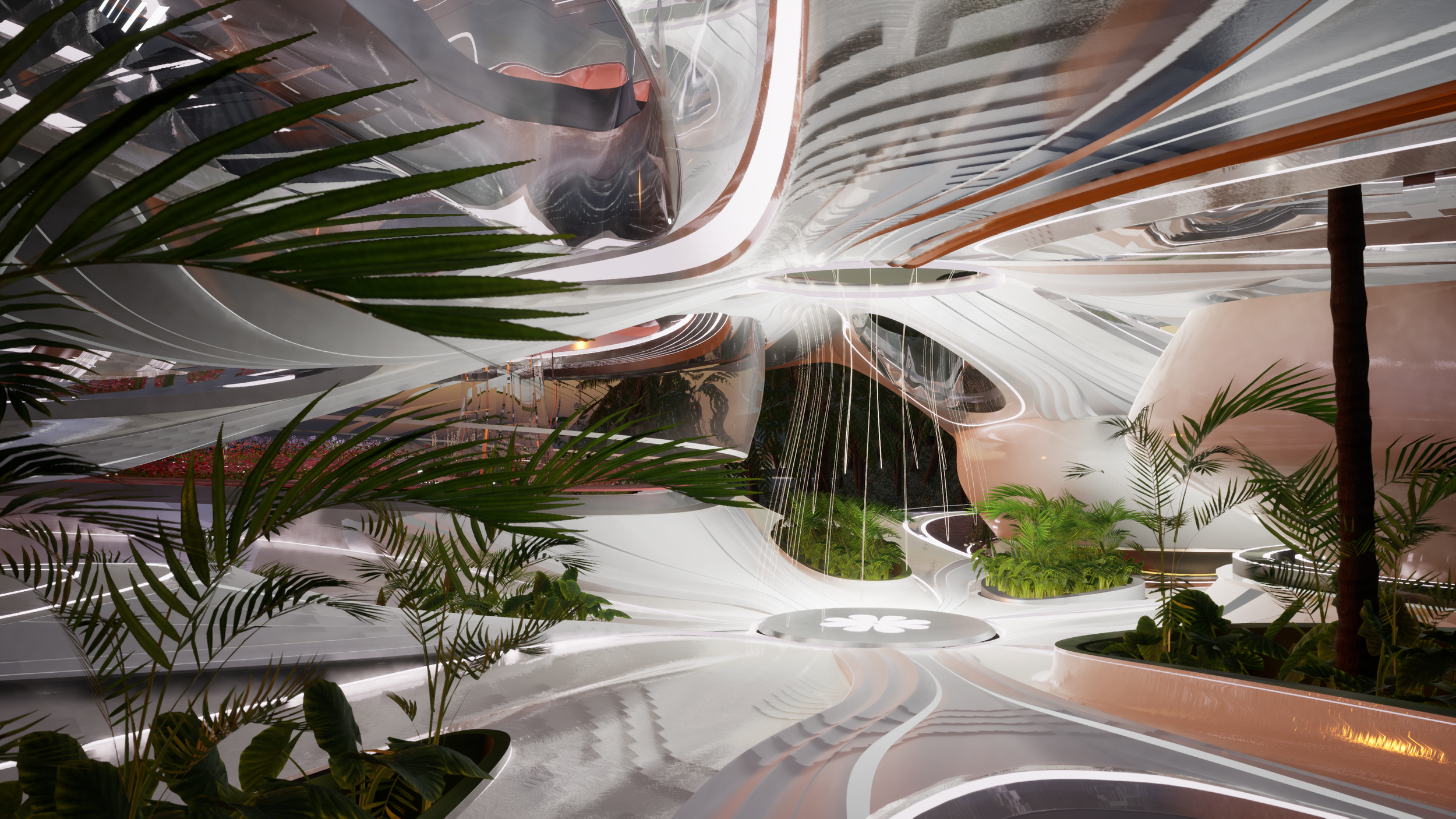
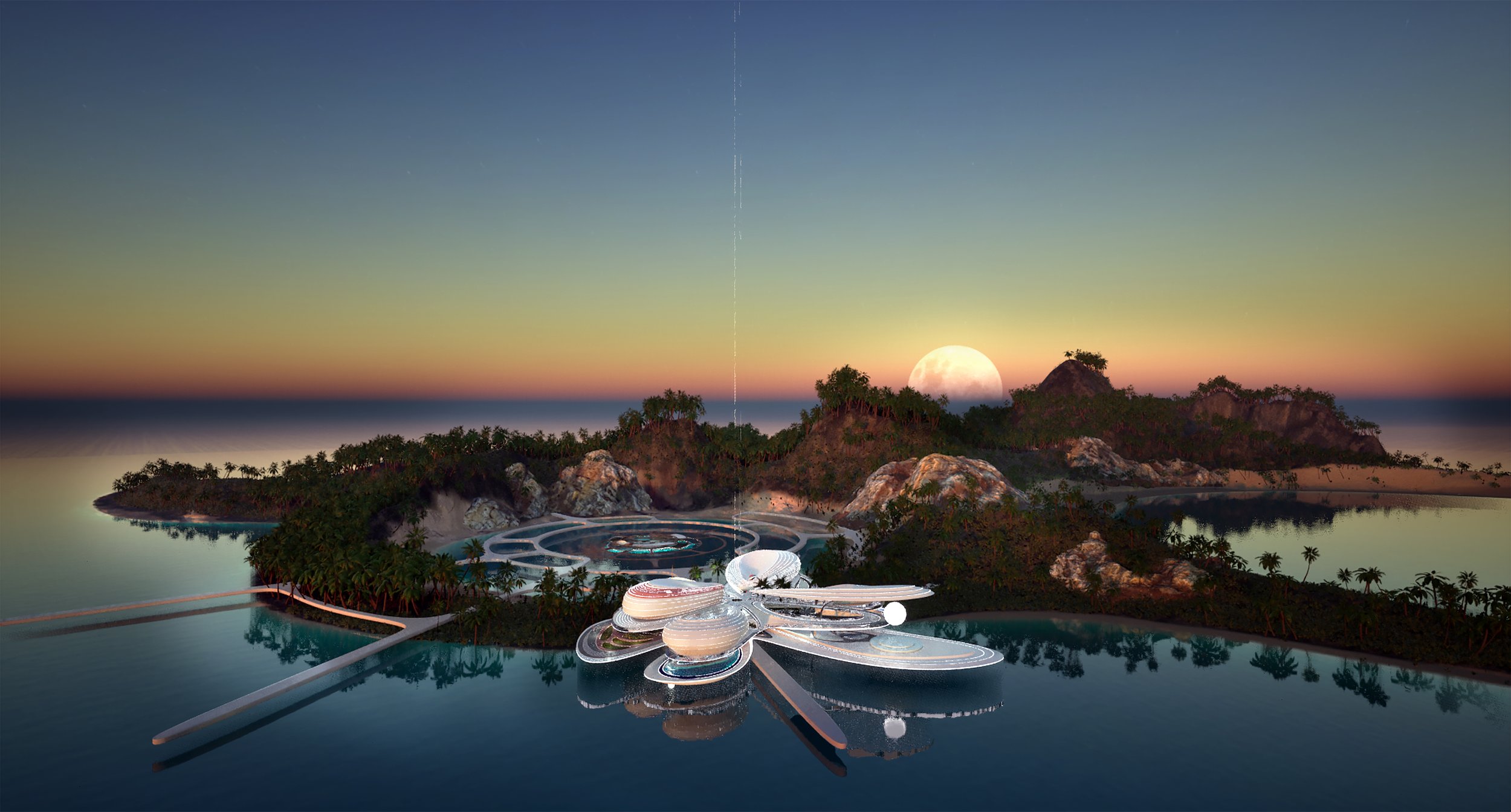
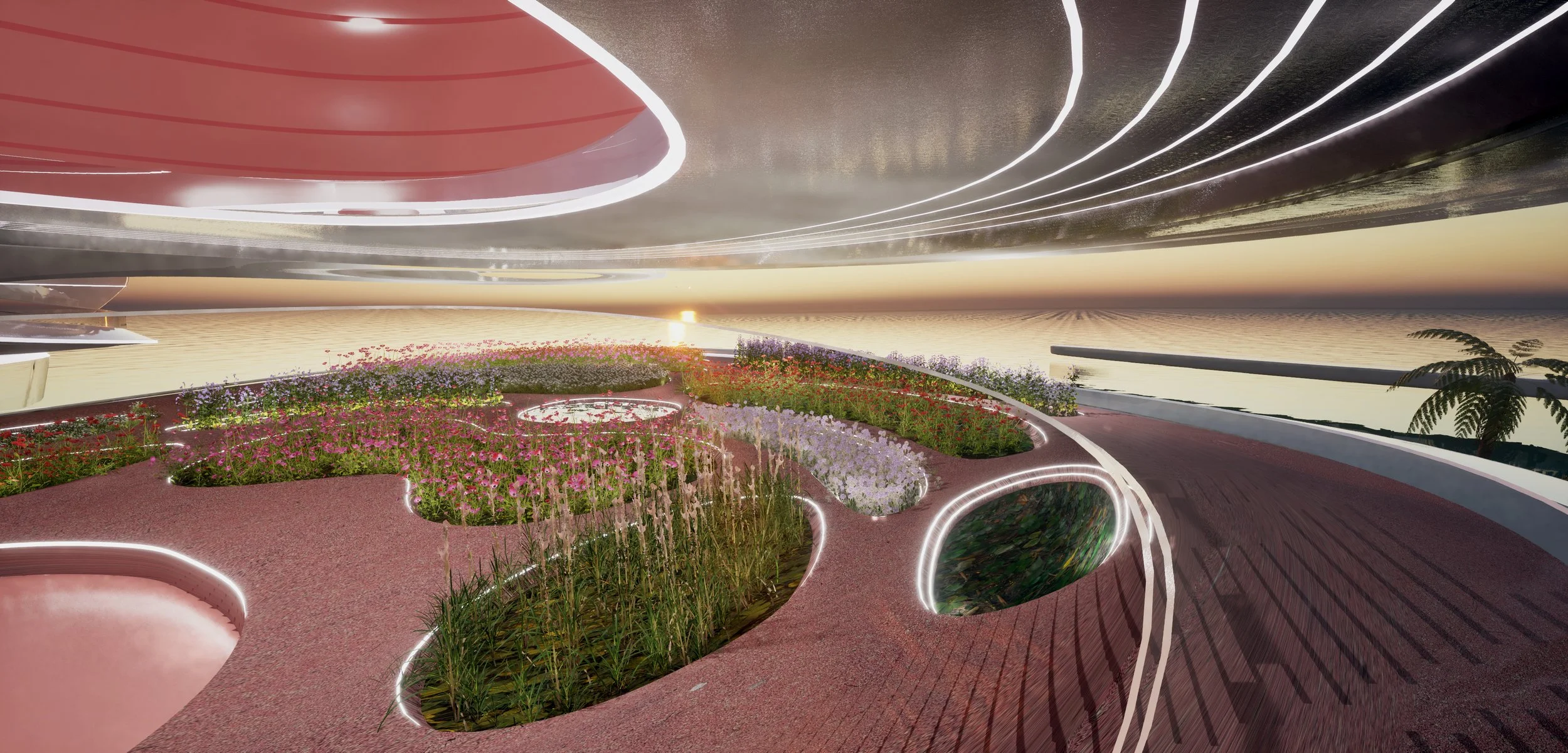
Design, at its most consequential, is an act of cultural translation. My practice begins with deep contextual reading, of place, of community, of identity, and converts that intelligence into environments that are spatially rigorous and experientially irreducible. I do not design for the image. I design for the encounter: the moment a space shifts how someone understands where they are and who they are within it.
That reading is the front end of a larger creative strategy. Before form, there is a position: what the project is arguing, who it is arguing to, and why now. I establish that position first, then hold every downstream decision against it, from masterplan logic to material selection to the campaign that introduces the work to the public. Strategy and execution are not sequential phases in my process; they are the same act tested at different scales.


Design Philosophy
Design, at its most consequential, is an act of cultural translation. My practice begins with deep contextual reading, of place, of community, of identity, and converts that intelligence into environments that are spatially rigorous and experientially irreducible. I do not design for the image. I design for the encounter: the moment a space shifts how someone understands where they are and who they are within it.
That reading is the front end of a larger creative strategy. Before form, there is a position: what the project is arguing, who it is arguing to, and why now. I establish that position first, then hold every downstream decision against it, from masterplan logic to material selection to the campaign that introduces the work to the public. Strategy and execution are not sequential phases in my process; they are the same act tested at different scales.



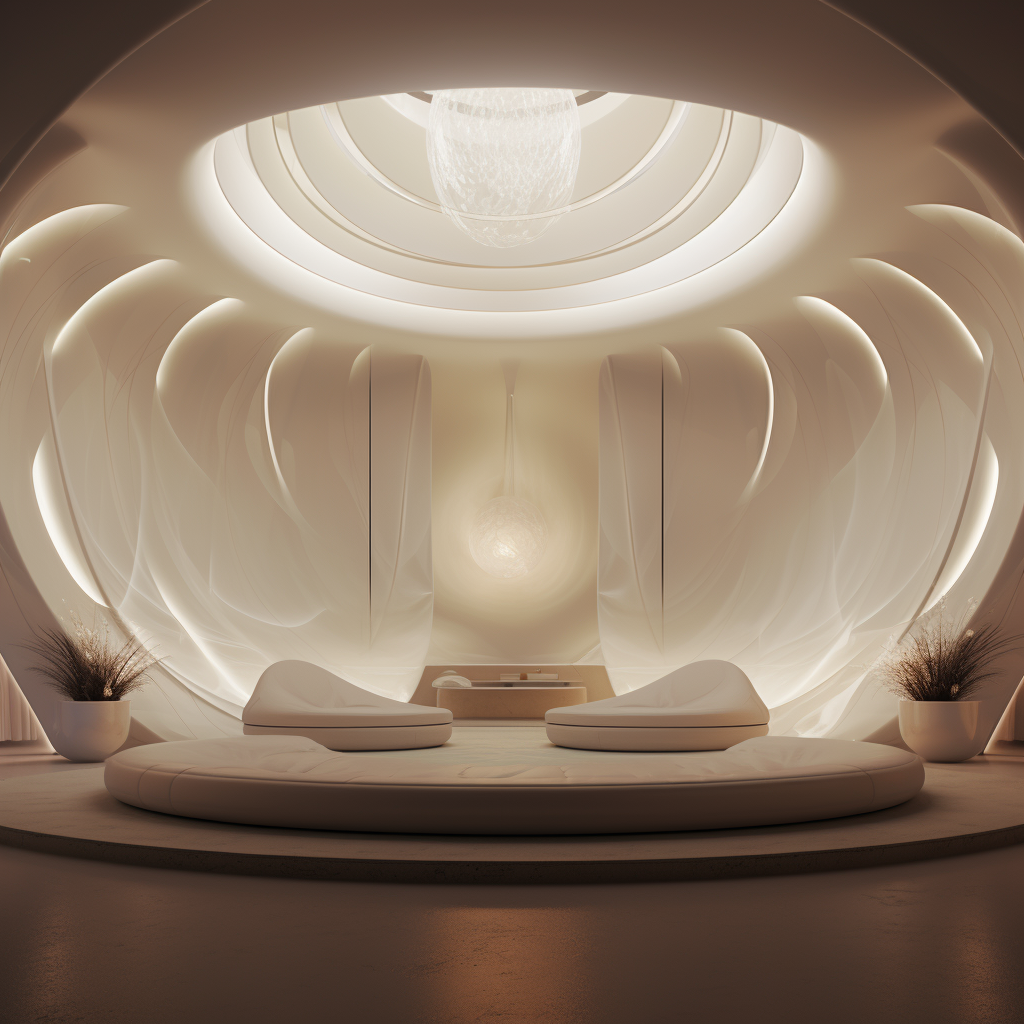
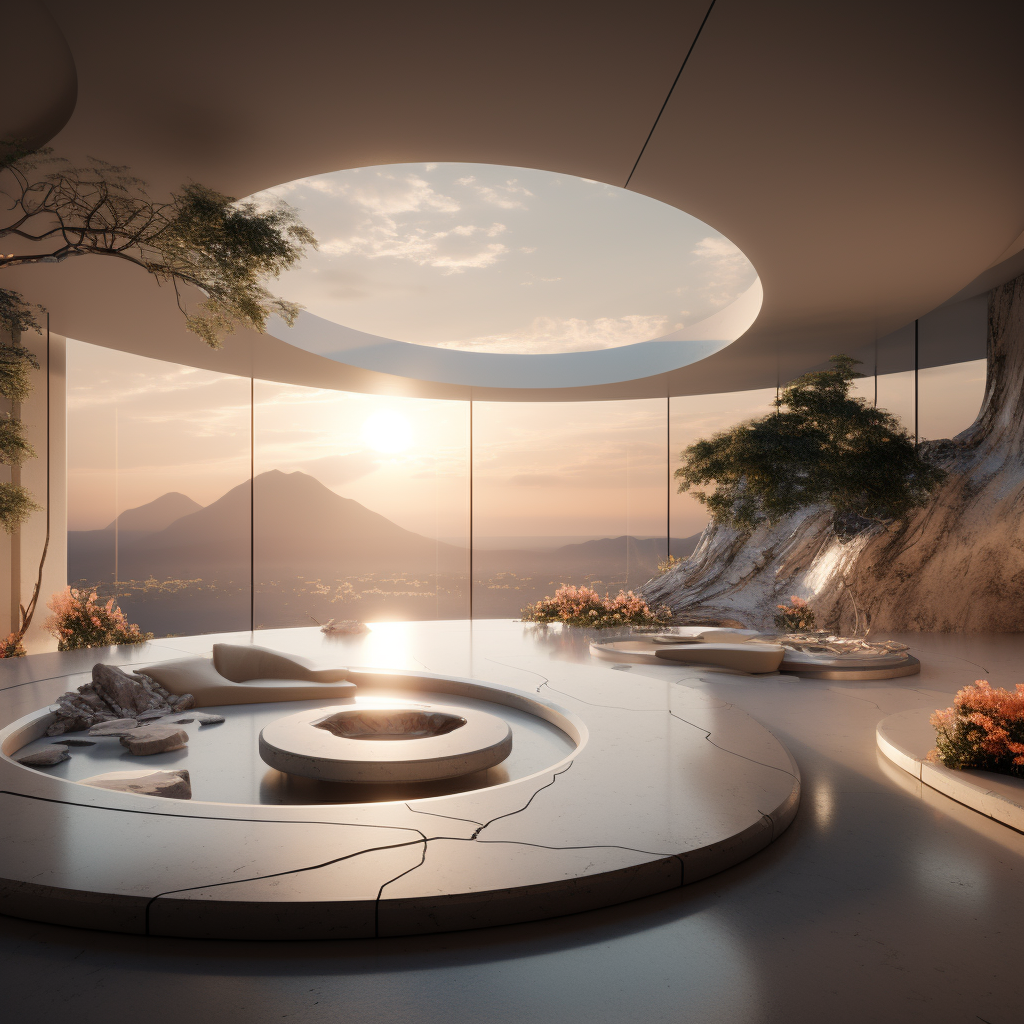
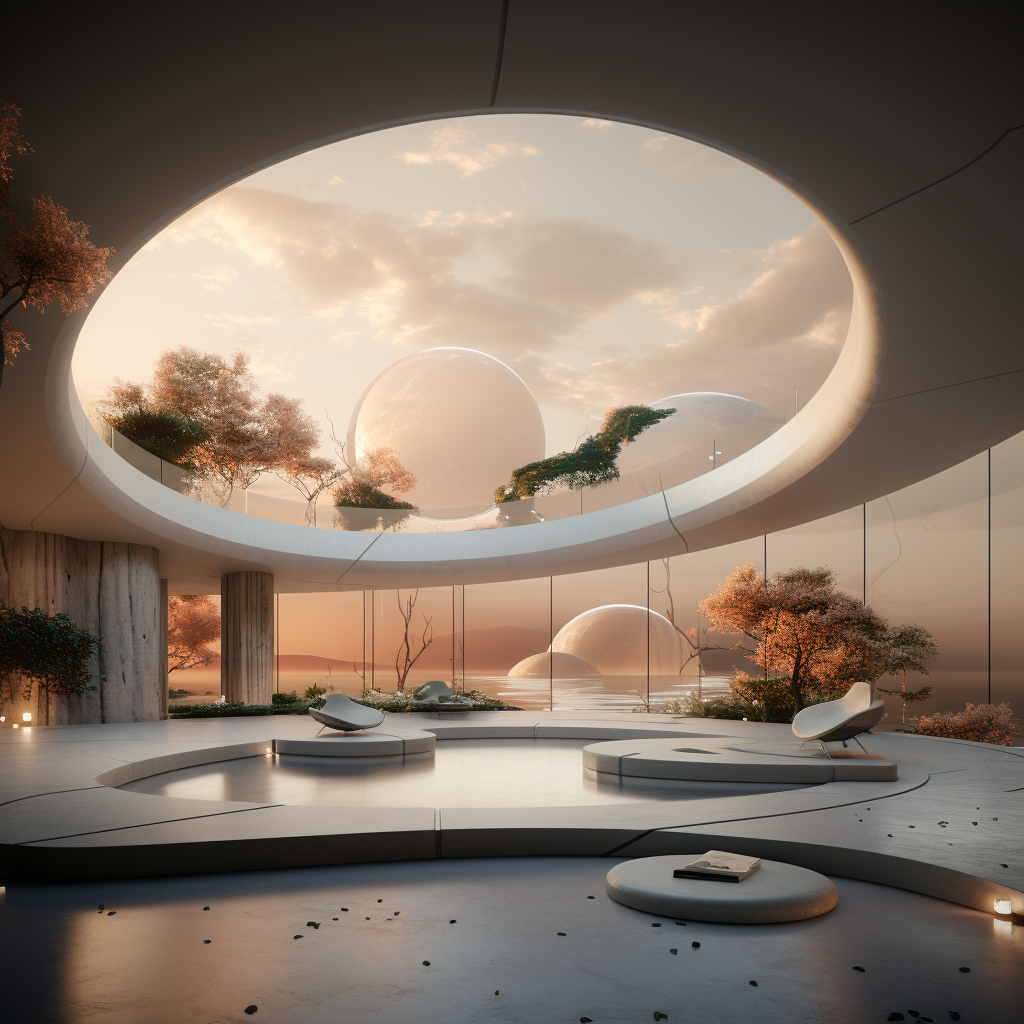
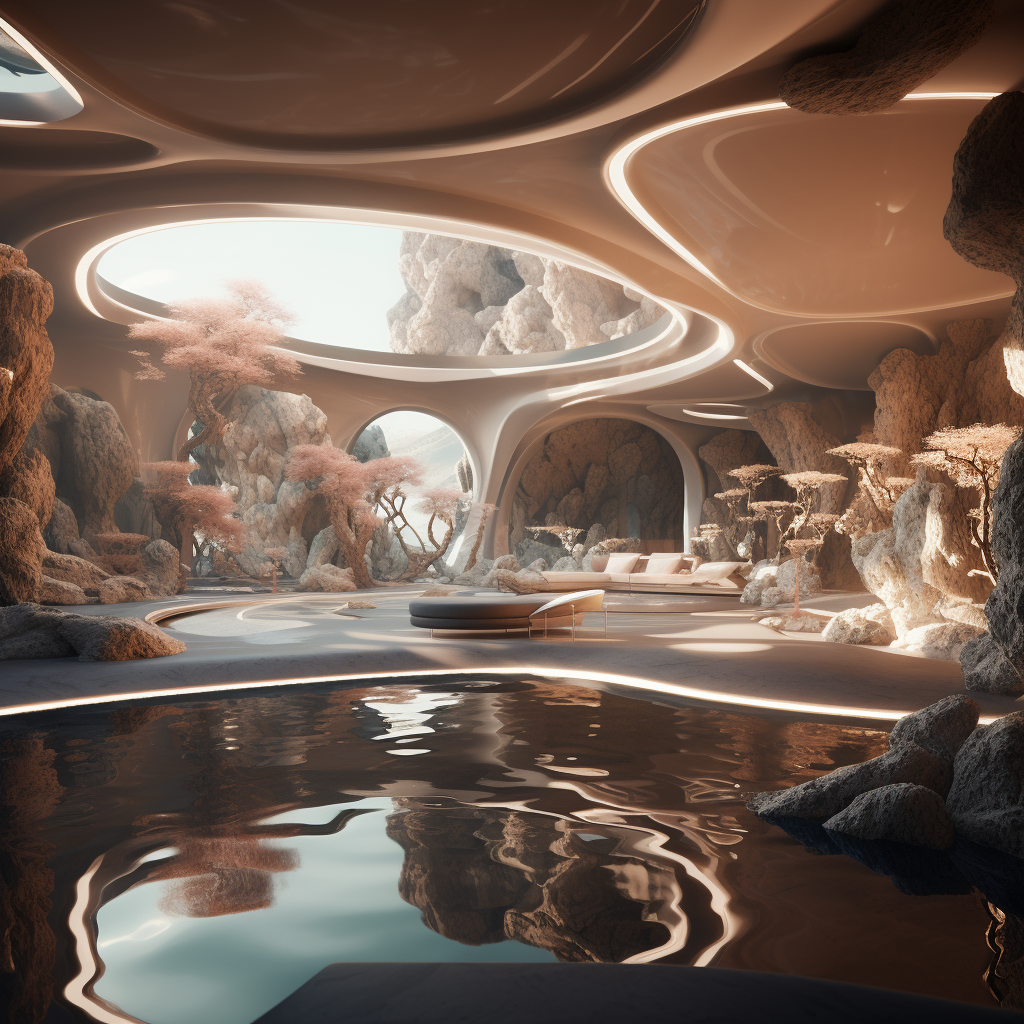








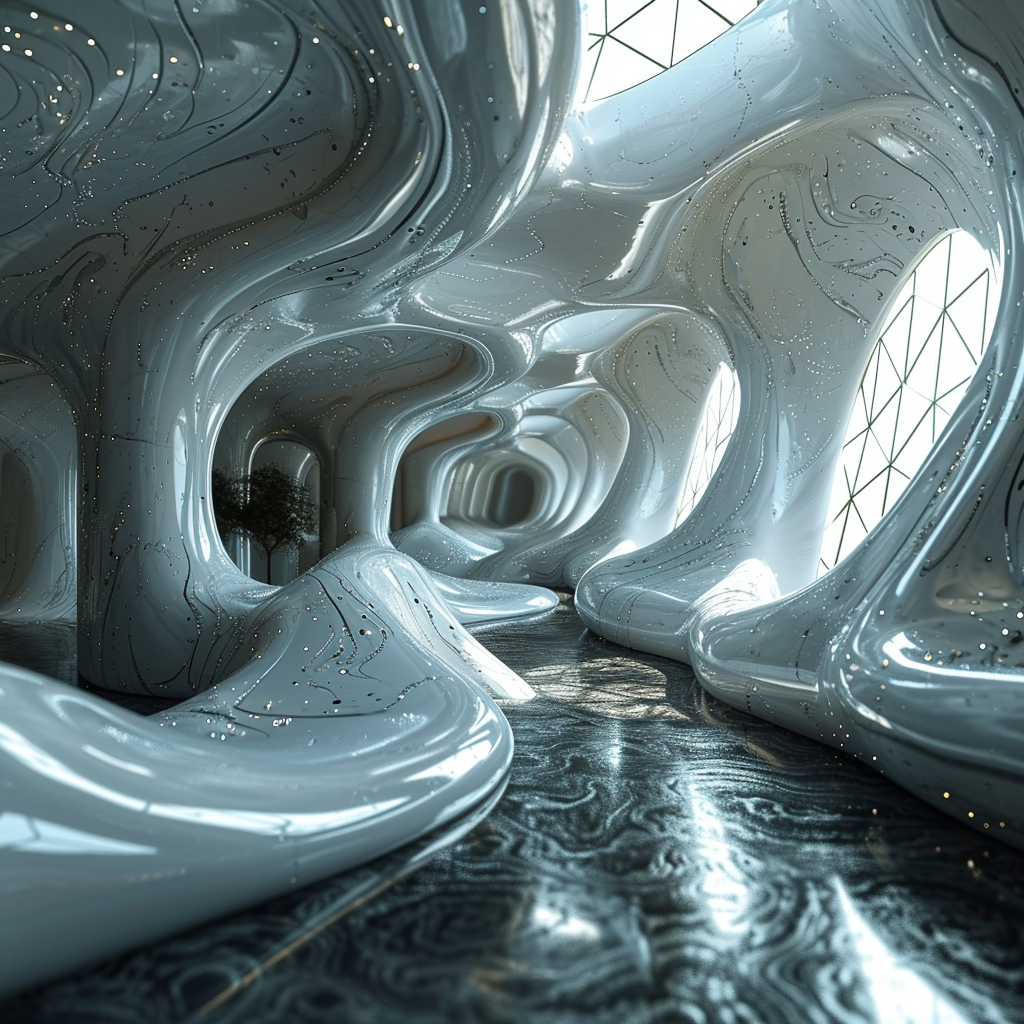
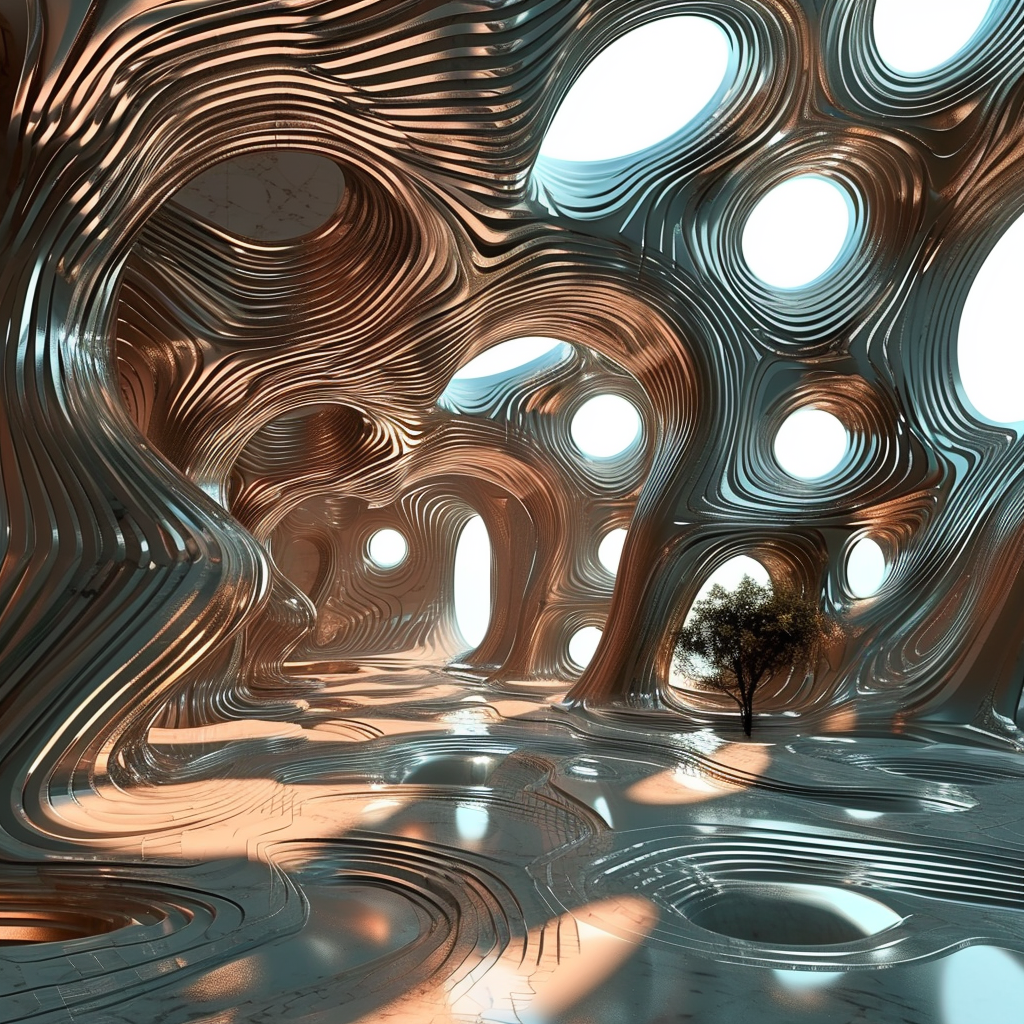

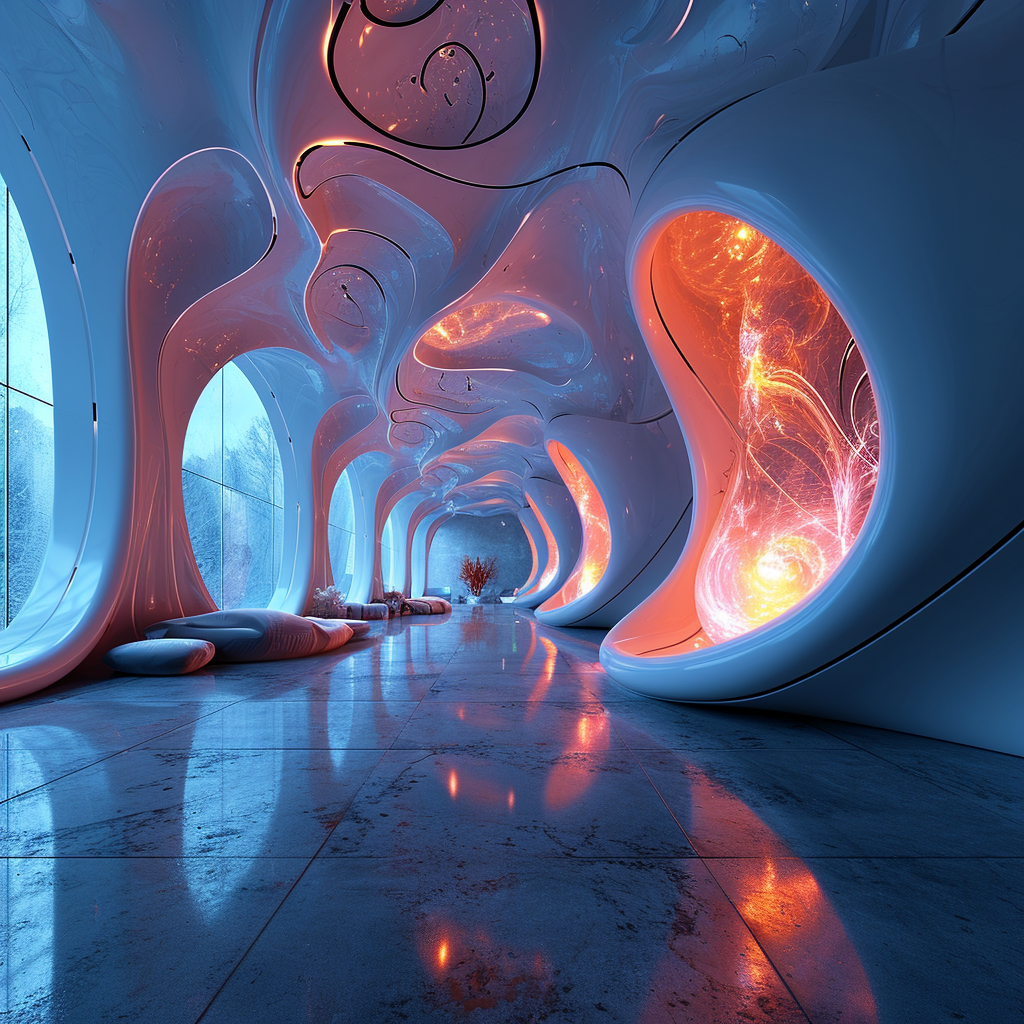

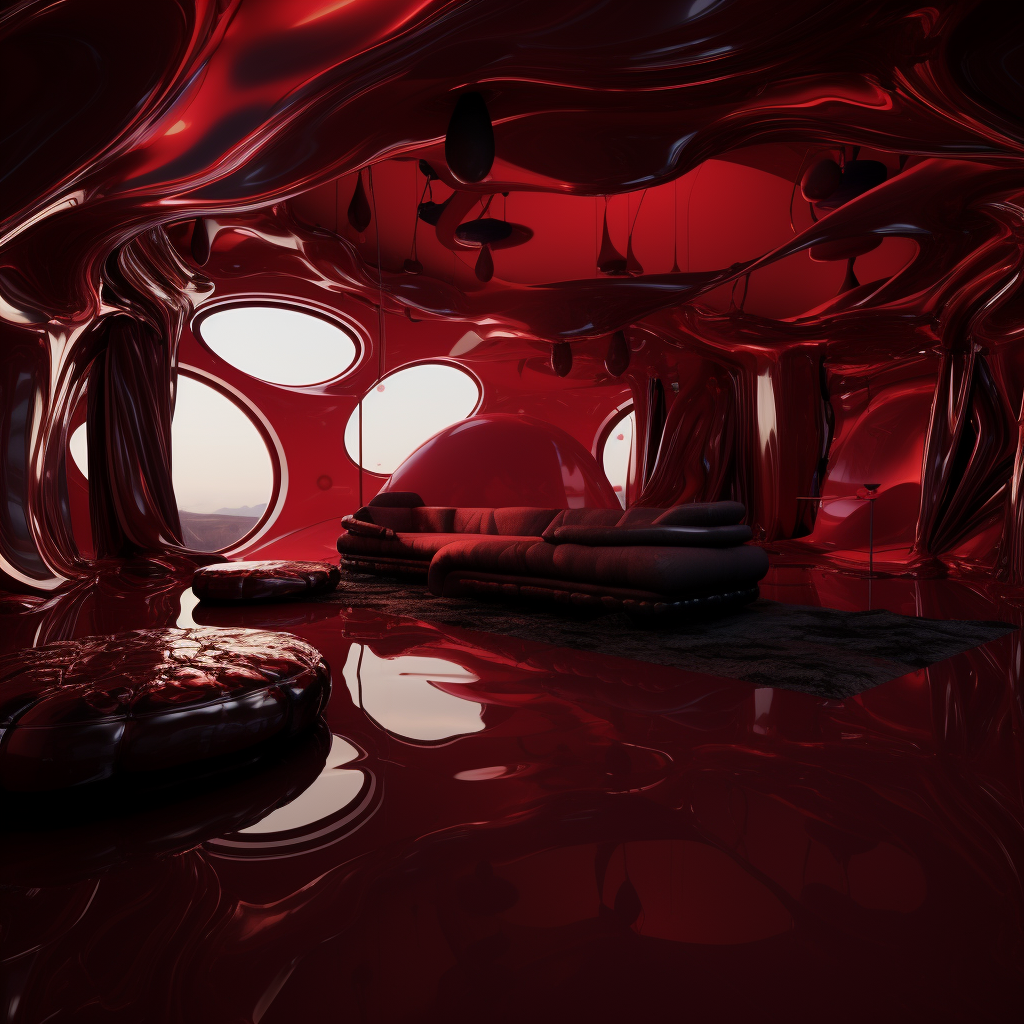
Design as a Cultural Act
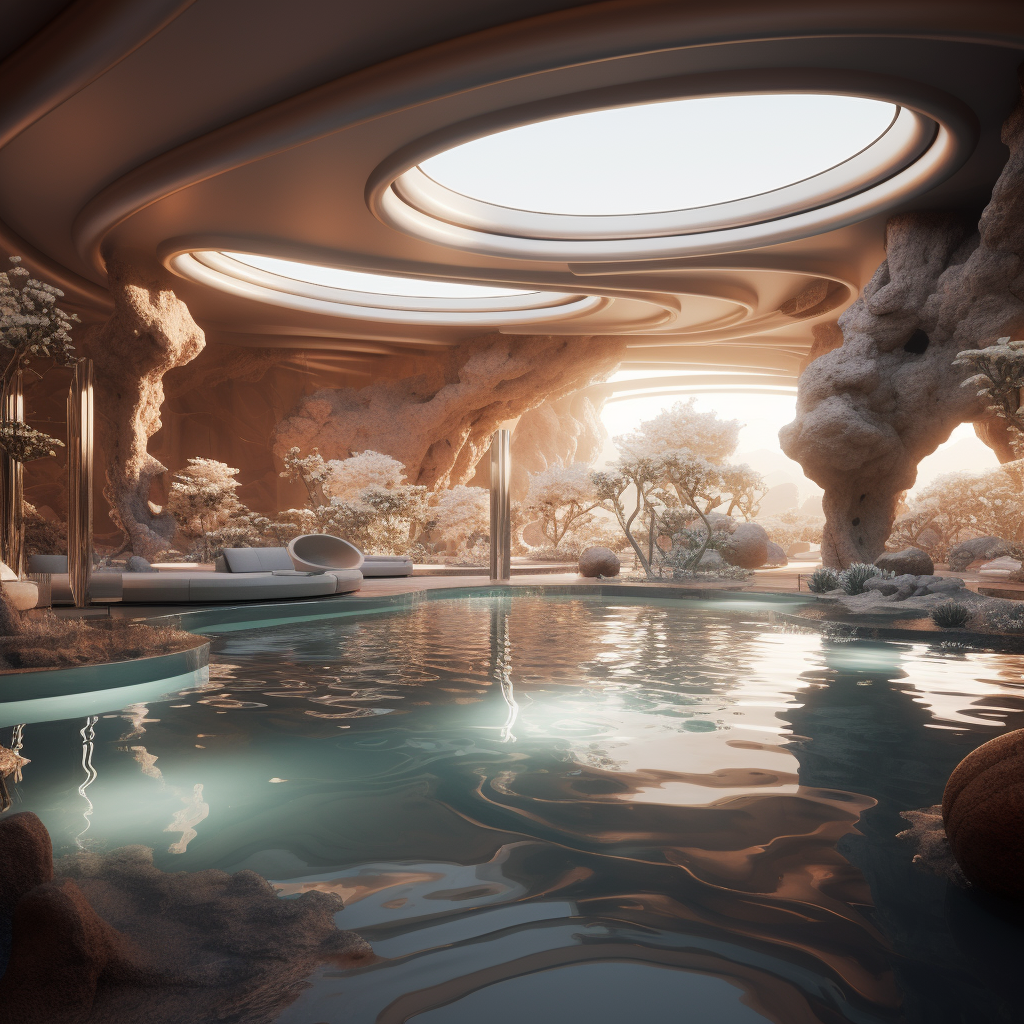
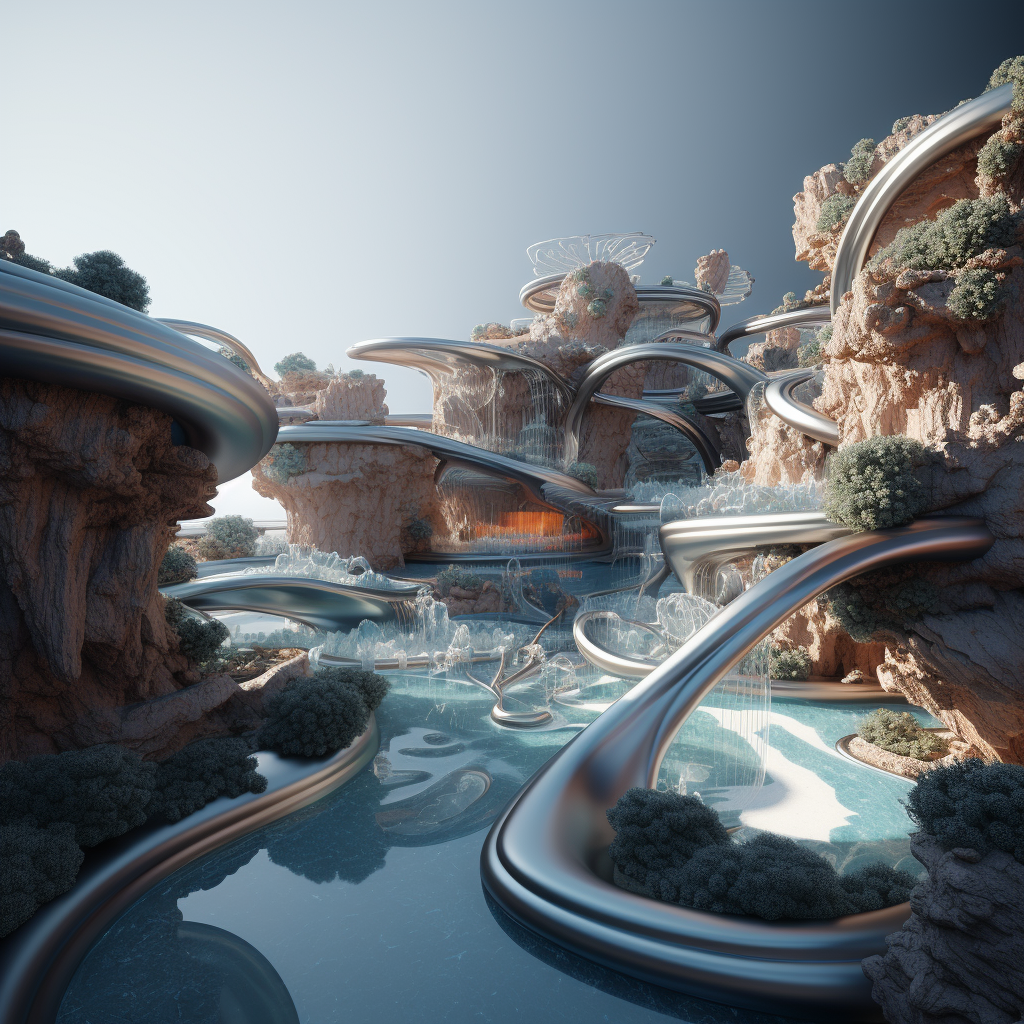
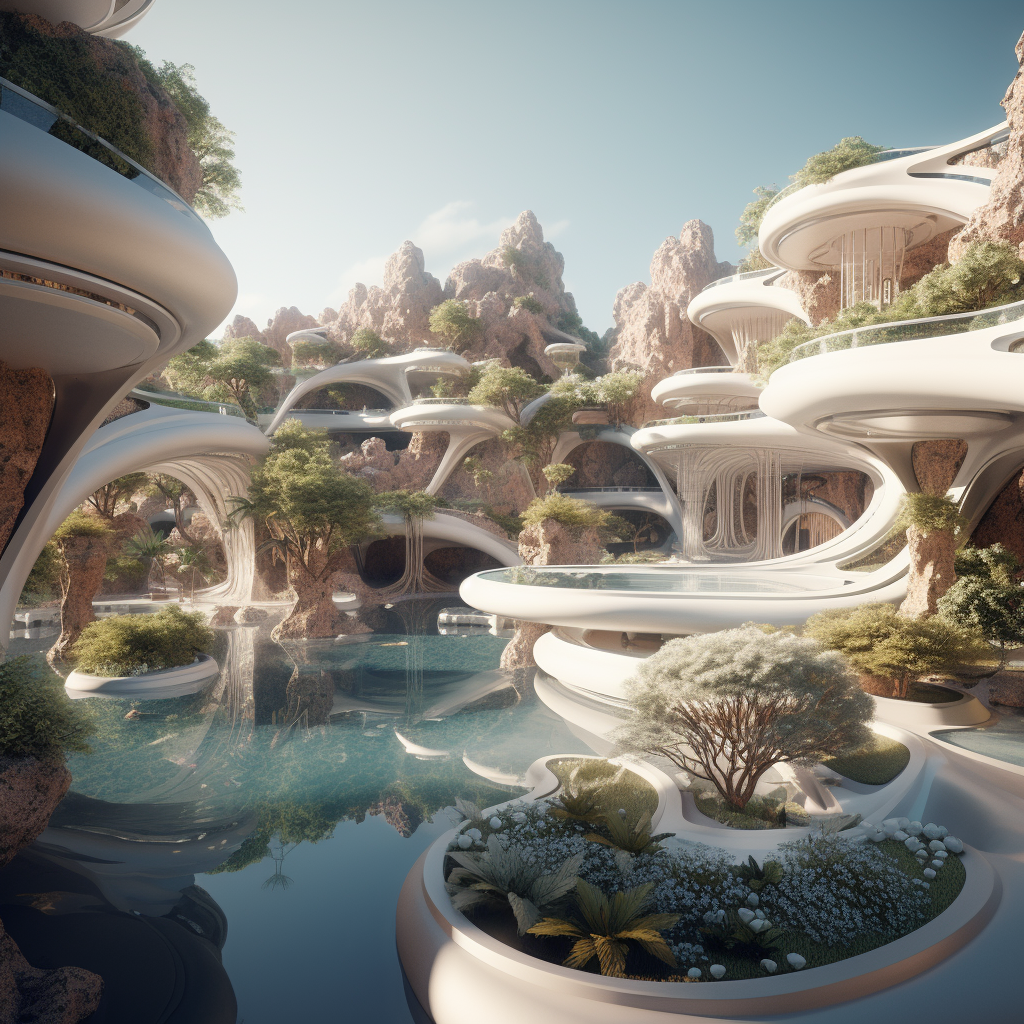
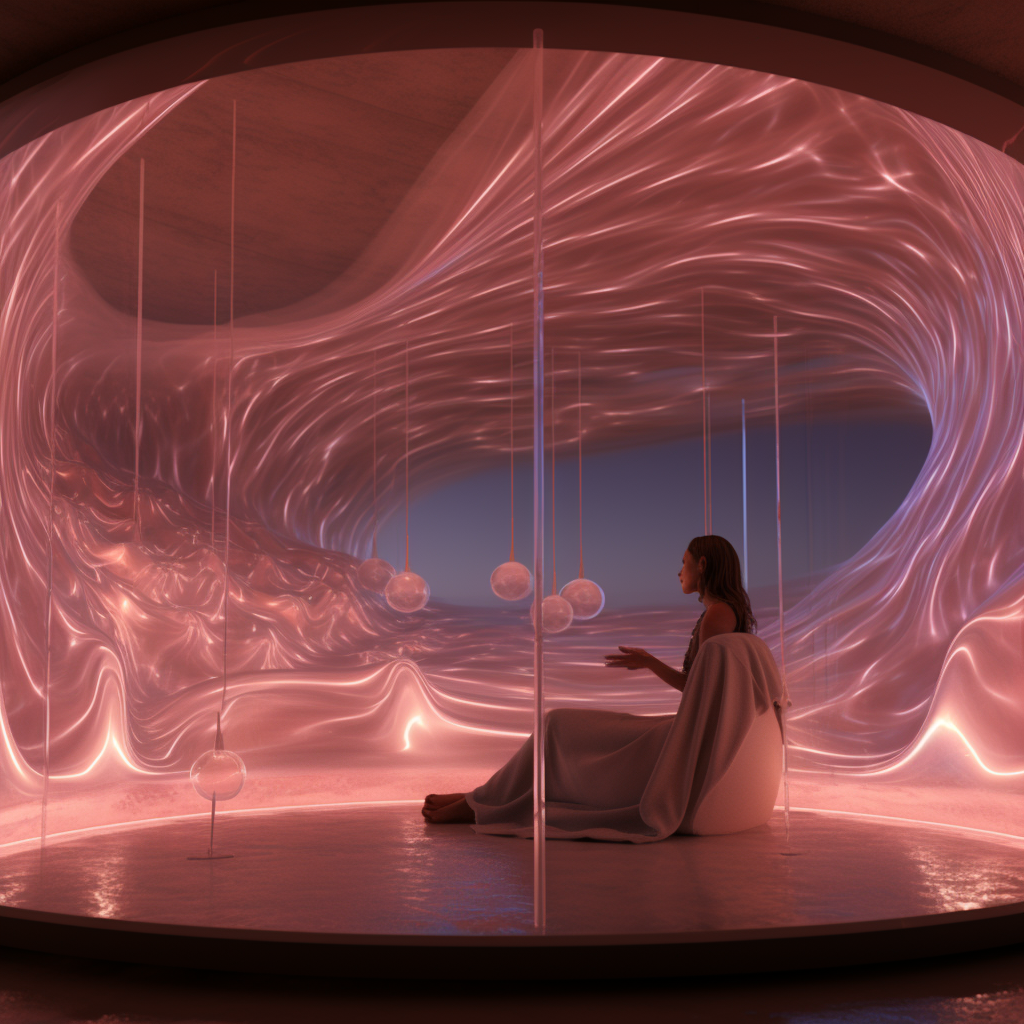
Architecture gives you the walls. Design gives them meaning. Creative direction decides what they are saying, to whom, and why it matters now. My work lives at that intersection, where cultural intelligence, spatial strategy, and human experience converge into something that outlasts the building.
I lead from the idea, not the drawing. That means setting the creative position first, then directing every discipline against it: architecture, interiors, brand, content, programming, and the campaign that carries the work into the world. The through-line is authorship. One argument, held consistently from masterplan to opening night to the story people tell about the place afterward.
Every environment I design is a cultural proposition. From civic corridors to destination assets at global scale, the work is never just spatial; it is strategic, identity-driven, and built to resonate far beyond its physical footprint.